Battle of Midway: The Turning Point | Video | WiPlex Studios

Summary

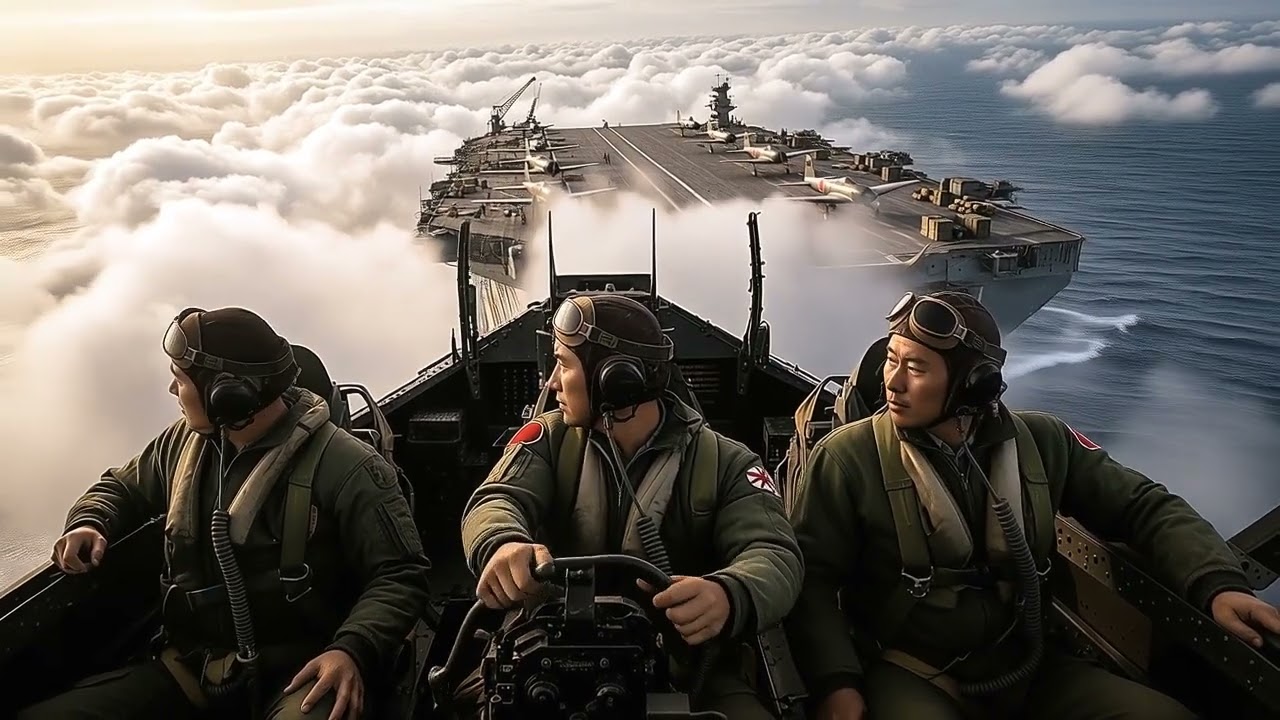
A visually stunning historical drama depicting the Battle of Midway on June 4, 1942, from the bridge of the USS Enterprise to the flight decks of Japanese carriers. Through immersive cinematography, the film captures Admiral Spruance’s quiet resolve, the tense preparations of pilots and crews, and the haunting reflections in polished brass binoculars as fleets converge. Every frame is steeped in golden-hour light, cinematic shadows, and the weight of history. The sound design blends engine roars, static crackles, and ocean swells to place viewers at the heart of the battle. This is not just history — it’s an experience.

Based on declassified records and firsthand accounts, this film honors the courage of those who fought in the skies and seas above Midway — a turning point that changed the course of the war.
Story

WHEN: June 4, 1942. WHERE: Pacific Ocean, northwest of Midway Atoll. Admiral Raymond Spruance stands rigid on the USS Enterprise bridge, his polished brass binoculars gripping his palms. Two junior officers flank him, one scanning the gray horizon, the other bracing against the steel rail. The ocean churns beneath a heavy sky as the carrier cuts through the swells. Spruance shifts his weight slowly, his broad shoulders squared against the morning chill. The binoculars rest against his chest, lenses catching the pale dawn light. He lowers them slightly, his gaze drifting toward the eastern waterline. The glass reflects the distant swell, pulling his attention forward.

WHEN: June 4, 1942. WHERE: Japanese carrier Akagi flight deck. The polished brass binoculars rest against his chest, lenses facing east, reflecting the morning sun. Japanese deck officers stand in asymmetric positions, one scanning the runway, another gripping a fuel hose, the third bracing against the island superstructure. Zero fighters line the deck, engines idling with low vibrations. The crew moves with controlled purpose, preparing for launch. The binoculars catch a glint of steel as a pilot steps forward. Spruance’s gaze follows the reflection, tracking the distant carrier silhouette. The lenses shift slightly, focusing on the approaching flight paths. Golden hour light washes over the weathered steel deck, casting long cinematic shadows across the waiting aircraft. The crew maintains guarded advance positions, their broad frames silhouetted against the rising tide.

WHEN: June 4, 1942. WHERE: USS Enterprise radar room. The polished brass binoculars sit on a wooden crate, lenses tilted upward, capturing the sky. American radar operators stand in asymmetric positions, one scanning the glowing screen, another gripping a communication handset, the third bracing against the equipment rack. The room hums with steady electrical currents as waves pulse across the display. Operators shift their weight slowly, their broad shoulders squared against the confined space. The binoculars catch the green glow of the cathode ray tube, reflecting the approaching blips. Spruance’s gaze follows the reflection, tracking the incoming formation. The lenses shift slightly, focusing on the rising altitude markers. Stark chiaroscuro lighting carves deep cinematic shadows across the operator’s weathered faces. Heavy static fabrics drape over the control panels as the crew maintains guarded advance positions.

WHEN: June 4, 1942. WHERE: USS Enterprise fighter control tower. The polished brass binoculars press against his eyes, lenses fixed on the radar screen. American Wildcat pilots stand in asymmetric positions, one scanning the runway, another gripping a flight helmet, the third bracing against the tower wall. The engines roar with low vibrations as aircraft taxi into formation. Pilots shift their weight slowly, their broad shoulders squared against the morning wind. The binoculars catch the glint of polished aluminum wings, reflecting the approaching enemy formation. Spruance’s gaze follows the reflection, tracking the climbing trajectories. The lenses shift slightly, focusing on the intercept vectors. Strong volumetric lighting pierces through the morning haze, casting cinematic shadows across the waiting fighters. The crew maintains guarded advance positions, their heavy leather jackets absorbing the cool air.

WHEN: June 4, 1942. WHERE: High altitude over Midway Atoll. The polished brass binoculars lower to his chest, lenses facing the sky, reflecting the sun. American Wildcat pilots climb through the thin air, engines vibrating with steady power. The formation breaks into asymmetric spacing, one lead pilot scanning the horizon, another gripping the control stick, the third bracing against the seat frame. The sky stretches wide and clear, devoid of heavy rain or floating particles. Pilots shift their weight slowly, their broad shoulders squared against the G-force. The binoculars catch the glint of polished aluminum wings, reflecting the approaching enemy formation. Spruance’s gaze follows the reflection, tracking the climbing trajectories. The lenses shift slightly, focusing on the intercept vectors. Golden hour light washes over the weathered fuselages, casting long cinematic shadows across the clouds. The crew maintains guarded advance positions, their heavy wool flight suits absorbing the cool air. Spruance points toward the distant Japanese formation, his finger tracing the horizon line. The glass reflects the approaching enemy wing, pulling his attention forward.

WHEN: June 4, 1942. WHERE: Japanese carrier Akagi flight deck. The polished brass binoculars rest on the tower railing, lenses tilted downward, capturing the sea. Japanese dive bomber pilots descend through the clouds, engines idling with low vibrations. The formation breaks into asymmetric spacing, one lead pilot scanning the horizon, another gripping the control stick, the third bracing against the seat frame. The sky stretches wide and clear, devoid of heavy rain or floating particles. Pilots shift their weight slowly, their broad shoulders squared against the G-force. The binoculars catch the glint of polished aluminum wings, reflecting the approaching enemy formation. Spruance’s gaze follows the reflection, tracking the climbing trajectories. The lenses shift slightly, focusing on the intercept vectors. Golden hour light washes over the weathered fuselages, casting long cinematic shadows across the clouds. The crew maintains guarded advance positions, their heavy wool flight suits absorbing the cool air.

WHEN: June 4, 1942. WHERE: USS Enterprise flight deck. The polished brass binoculars rest on the tower railing, lenses tilted downward, capturing the sea. American deck officers stand in asymmetric positions, one scanning the deck, another gripping a fuel hose, the third bracing against the island superstructure. Torpedo bombers line the runway, engines idling with low vibrations. The crew moves with controlled purpose, preparing for launch. The binoculars catch a glint of steel as a pilot steps forward. Spruance’s gaze follows the reflection, tracking the distant carrier silhouette. The lenses shift slightly, focusing on the approaching flight paths. Golden hour light washes over the weathered steel deck, casting long cinematic shadows across the waiting aircraft. The crew maintains guarded advance positions, their broad frames silhouetted against the rising tide.

WHEN: June 4, 1942. WHERE: Japanese carrier Kaga flight deck. The polished brass binoculars sit on a wooden crate, lenses tilted upward, capturing the sky. Japanese deck officers stand in asymmetric positions, one scanning the runway, another gripping an ammunition crate, the third bracing against the island superstructure. Zero fighters line the deck, engines idling with low vibrations. The crew moves with controlled purpose, preparing for launch. The binoculars catch a glint of steel as a pilot steps forward. Spruance’s gaze follows the reflection, tracking the distant carrier silhouette. The lenses shift slightly, focusing on the approaching flight paths. Golden hour light washes over the weathered steel deck, casting long cinematic shadows across the waiting aircraft. The crew maintains guarded advance positions, their broad frames silhouetted against the rising tide.

WHEN: June 4, 1942. WHERE: USS Enterprise fighter control tower. The polished brass binoculars press against his eyes, lenses fixed on the radar screen. American SBD Dauntless pilots stand in asymmetric positions, one scanning the runway, another gripping a flight helmet, the third bracing against the tower wall. The engines roar with low vibrations as aircraft taxi into formation. Pilots shift their weight slowly, their broad shoulders squared against the morning wind. The binoculars catch the glint of polished aluminum wings, reflecting the approaching enemy formation. Spruance’s gaze follows the reflection, tracking the climbing trajectories. The lenses shift slightly, focusing on the intercept vectors. Strong volumetric lighting pierces through the morning haze, casting cinematic shadows across the waiting fighters. The crew maintains guarded advance positions, their heavy leather jackets absorbing the cool air.

WHEN: June 4, 1942. WHERE: Japanese carrier Akagi flight deck. The polished brass binoculars lower to his chest, lenses facing the sky, reflecting the sun. Japanese deck officers stand in asymmetric positions, one scanning the deck, another gripping a fuel hose, the third bracing against the island superstructure. The sky stretches wide and clear, devoid of heavy rain or floating particles. Officers shift their weight slowly, their broad shoulders squared against the morning wind. The binoculars catch the glint of polished aluminum wings, reflecting the approaching enemy formation. Spruance’s gaze follows the reflection, tracking the climbing trajectories. The lenses shift slightly, focusing on the intercept vectors. Golden hour light washes over the weathered fuselages, casting long cinematic shadows across the clouds. The crew maintains guarded advance positions, their heavy wool flight suits absorbing the cool air.

WHEN: June 4, 1942. WHERE: High altitude over Midway Atoll. The polished brass binoculars lower to his chest, lenses facing the sky, reflecting the sun. American TBD Devastator pilots climb through the thin air, engines vibrating with steady power. The formation breaks into asymmetric spacing, one lead pilot scanning the horizon, another gripping the control stick, the third bracing against the seat frame. The sky stretches wide and clear, devoid of heavy rain or floating particles. Pilots shift their weight slowly, their broad shoulders squared against the G-force. The binoculars catch the glint of polished aluminum wings, reflecting the approaching enemy formation. Spruance’s gaze follows the reflection, tracking the climbing trajectories. The lenses shift slightly, focusing on the intercept vectors. Golden hour light washes over the weathered fuselages, casting long cinematic shadows across the clouds. The crew maintains guarded advance positions, their heavy wool flight suits absorbing the cool air. Spruance points toward the Japanese screen, his finger tracing the horizon line. The glass reflects the approaching enemy wing, pulling his attention forward.

WHEN: June 4, 1942. WHERE: Japanese carrier Kaga flight deck. The polished brass binoculars rest on the tower railing, lenses tilted downward, capturing the sea. Japanese Zero pilots descend through the clouds, engines idling with low vibrations. The formation breaks into asymmetric spacing, one lead pilot scanning the horizon, another gripping the control stick, the third bracing against the seat frame. The sky stretches wide and clear, devoid of heavy rain or floating particles. Pilots shift their weight slowly, their broad shoulders squared against the G-force. The binoculars catch the glint of polished aluminum wings, reflecting the approaching enemy formation. Spruance’s gaze follows the reflection, tracking the climbing trajectories. The lenses shift slightly, focusing on the intercept vectors. Golden hour light washes over the weathered fuselages, casting long cinematic shadows across the clouds. The crew maintains guarded advance positions, their heavy wool flight suits absorbing the cool air.

WHEN: June 4, 1942. WHERE: USS Enterprise bridge. The polished brass binoculars rest on the tower railing, lenses tilted downward, capturing the sea. American bridge officers stand in asymmetric positions, one scanning the horizon, another gripping a communication handset, the third bracing against the steel rail. The ocean churns beneath a heavy sky as the carrier cuts through the swells. Officers shift their weight slowly, their broad shoulders squared against the morning chill. The binoculars catch the glint of polished aluminum wings, reflecting the approaching enemy formation. Spruance’s gaze follows the reflection, tracking the climbing trajectories. The lenses shift slightly, focusing on the intercept vectors. Strong volumetric lighting pierces through the morning haze, casting cinematic shadows across the waiting fighters. The crew maintains guarded advance positions, their heavy leather jackets absorbing the cool air. Spruance points toward the damaged Yorktown, his finger tracing the horizon line. The glass reflects the struggling carrier, pulling his attention forward.

WHEN: June 4, 1942. WHERE: Japanese carrier Hiryu flight deck. The polished brass binoculars sit on a wooden crate, lenses tilted upward, capturing the sky. Japanese deck officers stand in asymmetric positions, one scanning the runway, another gripping a fuel hose, the third bracing against the island superstructure. Zero fighters line the deck, engines idling with low vibrations. The crew moves with controlled purpose, preparing for launch. The binoculars catch a glint of steel as a pilot steps forward. Spruance’s gaze follows the reflection, tracking the distant carrier silhouette. The lenses shift slightly, focusing on the approaching flight paths. Golden hour light washes over the weathered steel deck, casting long cinematic shadows across the waiting aircraft. The crew maintains guarded advance positions, their broad frames silhouetted against the rising tide.

WHEN: June 4, 1942. WHERE: USS Yorktown flight deck. The polished brass binoculars press against his eyes, lenses fixed on the radar screen. American deck officers stand in asymmetric positions, one scanning the deck, another gripping a fuel hose, the third bracing against the island superstructure. The engines roar with low vibrations as aircraft taxi into formation. Officers shift their weight slowly, their broad shoulders squared against the morning wind. The binoculars catch the glint of polished aluminum wings, reflecting the approaching enemy formation. Spruance’s gaze follows the reflection, tracking the climbing trajectories. The lenses shift slightly, focusing on the intercept vectors. Strong volumetric lighting pierces through the morning haze, casting cinematic shadows across the waiting fighters. The crew maintains guarded advance positions, their heavy leather jackets absorbing the cool air.

WHEN: June 4, 1942. WHERE: Japanese carrier Hiryu flight deck. The polished brass binoculars lower to his chest, lenses facing the sky, reflecting the sun. Japanese dive bomber pilots descend through the clouds, engines idling with low vibrations. The formation breaks into asymmetric spacing, one lead pilot scanning the horizon, another gripping the control stick, the third bracing against the seat frame. The sky stretches wide and clear, devoid of heavy rain or floating particles. Pilots shift their weight slowly, their broad shoulders squared against the G-force. The binoculars catch the glint of polished aluminum wings, reflecting the approaching enemy formation. Spruance’s gaze follows the reflection, tracking the climbing trajectories. The lenses shift slightly, focusing on the intercept vectors. Golden hour light washes over the weathered fuselages, casting long cinematic shadows across the clouds. The crew maintains guarded advance positions, their heavy wool flight suits absorbing the cool air.

WHEN: June 4, 1942. WHERE: USS Yorktown flight deck. The polished brass binoculars lower to his chest, lenses facing the sky, reflecting the sun. American damage control officers stand in asymmetric positions, one scanning the deck, another gripping a fuel hose, the third bracing against the island superstructure. The sky stretches wide and clear, devoid of heavy rain or floating particles. Officers shift their weight slowly, their broad shoulders squared against the morning wind. The binoculars catch the glint of polished aluminum wings, reflecting the approaching enemy formation. Spruance’s gaze follows the reflection, tracking the climbing trajectories. The lenses shift slightly, focusing on the intercept vectors. Golden hour light washes over the weathered fuselages, casting long cinematic shadows across the clouds. The crew maintains guarded advance positions, their heavy wool flight suits absorbing the cool air. Spruance points toward the approaching destroyers, his finger tracing the horizon line. The glass reflects the closing warships, pulling his attention forward.

WHEN: June 4, 1942. WHERE: Pacific Ocean, northwest of Midway Atoll. The polished brass binoculars rest on the tower railing, lenses tilted downward, capturing the sea. American destroyer crews stand in asymmetric positions, one scanning the horizon, another gripping a communication handset, the third bracing against the steel rail. The ocean churns beneath a heavy sky as the ships cut through the swells. Crews shift their weight slowly, their broad shoulders squared against the morning chill. The binoculars catch the glint of polished aluminum wings, reflecting the approaching enemy formation. Spruance’s gaze follows the reflection, tracking the climbing trajectories. The lenses shift slightly, focusing on the intercept vectors. Strong volumetric lighting pierces through the morning haze, casting cinematic shadows across the waiting fighters. The crew maintains guarded advance positions, their heavy leather jackets absorbing the cool air.

WHEN: June 4, 1942. WHERE: Japanese flagship Yamamoto bridge. The polished brass binoculars rest on the tower railing, lenses tilted downward, capturing the sea. Japanese admirals stand in asymmetric positions, one scanning the horizon, another gripping a communication handset, the third bracing against the steel rail. The ocean churns beneath a heavy sky as the flagship cuts through the swells. Admirals shift their weight slowly, their broad shoulders squared against the morning chill. The binoculars catch the glint of polished aluminum wings, reflecting the approaching enemy formation. Spruance’s gaze follows the reflection, tracking the climbing trajectories. The lenses shift slightly, focusing on the intercept vectors. Strong volumetric lighting pierces through the morning haze, casting cinematic shadows across the waiting fighters. The crew maintains guarded advance positions, their heavy leather jackets absorbing the cool air. Spruance points toward the sinking Japanese fleet, his finger tracing the horizon line. The glass reflects the defeated armada, pulling his attention forward.

WHEN: June 4, 1942. WHERE: USS Enterprise bridge. The polished brass binoculars sit on a wooden crate, lenses tilted upward, capturing the sky. American admirals stand in asymmetric positions, one scanning the horizon, another gripping a communication handset, the third bracing against the steel rail. The ocean churns beneath a heavy sky as the carrier cuts through the swells. Admirals shift their weight slowly, their broad shoulders squared against the morning chill. The binoculars catch the glint of polished aluminum wings, reflecting the approaching enemy formation. Spruance’s gaze follows the reflection, tracking the climbing trajectories. The lenses shift slightly, focusing on the intercept vectors. Strong volumetric lighting pierces through the morning haze, casting cinematic shadows across the waiting fighters. The crew maintains guarded advance positions, their heavy leather jackets absorbing the cool air.

Back to Channel